A local Northumberland cat rescue built on community kindness
Wansbeck and Blyth Valley District Cat Rescue—operating under the working name Beth's Cat Rescue—has supported cats in need across south-east Northumberland since 2000.
Our purpose and founding constitution
The charity was established by constitution adopted on 14 October 2000 and formally entered on the Register of Charities for England and Wales on 9 November 2000 under Registered Charity Number 1083280.
Our governing document sets out a clear, practical commitment to cats living in our local communities:
“To relieve the suffering of cats in need of care and protection in particular but not exclusively through re-homing stray, neglected and unwanted cats in Wansbeck and Blyth Valley.”
Alongside direct rescue and rehoming work, we share practical public information on feline welfare—such as timely neutering, microchip registration, safe indoor settling, and veterinary prevention—to reduce the number of cats that end up stray or unhomed in our district.
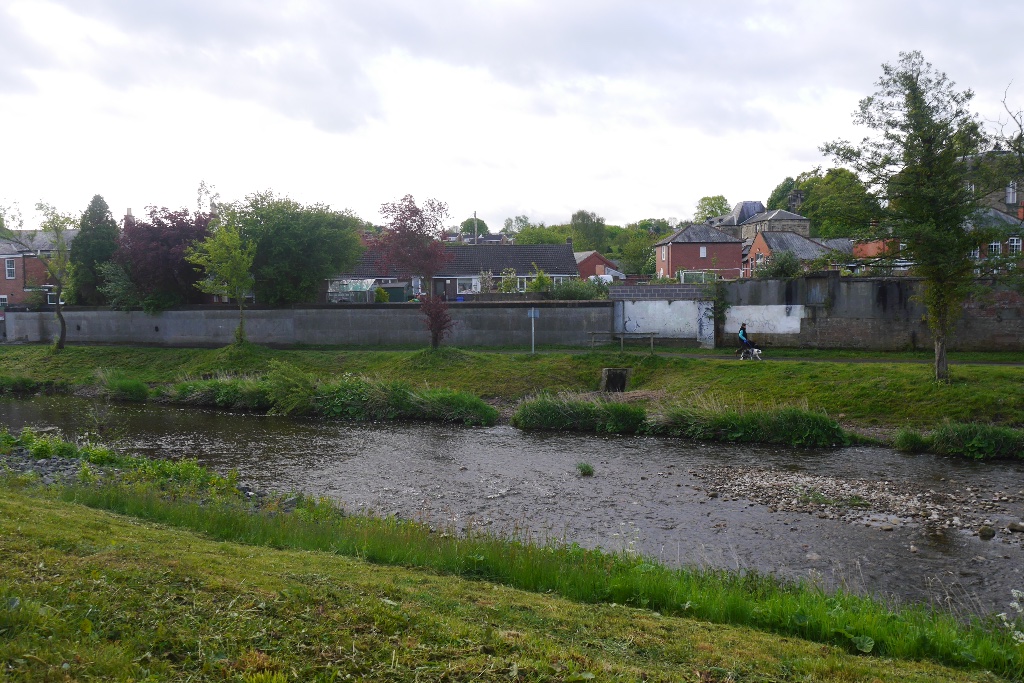
The River Wansbeck in south-east Northumberland—part of the historic Wansbeck and Blyth Valley district served by our charity.
Where we operate
Our area of benefit centres on the historic Wansbeck and Blyth Valley districts of Northumberland, including Bedlington, Blyth, Ashington, Cramlington, Newbiggin-by-the-Sea, Seaton Delaval, and neighbouring communities.
Being closely rooted in one corner of Northumberland allows our trustees and volunteers to stay responsive to local residents, maintain relationships with nearby veterinary practices, and carry out careful home checks without overstretching resources.
Volunteer-led and foster-home based
Wansbeck and Blyth Valley District Cat Rescue does not own or lease land, offices, or a commercial cattery building. All trustee roles are unpaid and voluntary, and cats accepted into care are looked after within domestic foster homes.
Keeping our organisation simple and low-overhead means modest annual income—typically between £6,600 and £11,200 in recent financial years—is directed towards veterinary fees, food, litter, microchipping, and day-to-day feline care rather than building maintenance.