
Rehoming, fostering & feline welfare

Matching local cats with calm, lasting homes

Every cat arrives with a different history. Our volunteer process takes the time to match each cat's temperament and health needs with the right Northumberland household.

How adoption enquiries work

Because Beth's Cat Rescue operates on a modest, foster-based scale, availability changes naturally depending on the cats currently in volunteer care. Rather than publishing static listings that quickly go out of date, we handle enquiries directly so we can give honest, up-to-date answers.

1

Send an enquiry

Email hello@bethscatrescue.org.uk or phone us with a short description of your home, postcode area, family members, and any existing pets.

2

Chat & home check

If a cat in care looks like a suitable match, a volunteer arranges an informal conversation and home check to talk through outdoor safety, quiet spaces, and routine care.

3

Gentle transition

We share veterinary history, diet notes, and settling-in guidance—and remain available by email or phone while your new cat builds confidence at home.
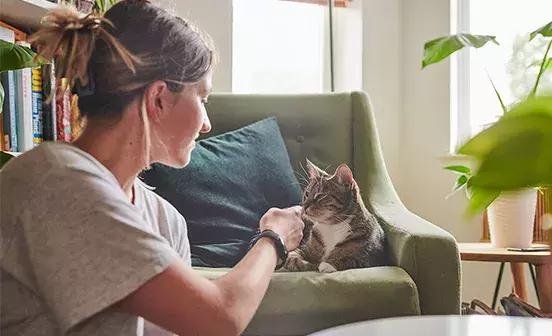
Calm introductions

Patience makes the biggest difference

A rescued or rehomed cat often needs a quiet starter room for the first week or two, with food, water, litter tray, and a covered hiding spot placed calmly out of the way of household traffic.

Allowing a cat to approach on its own terms—rather than forcing cuddles on day one—builds lasting trust far more quickly.

A volunteer sitting calmly beside a tabby cat on a sage armchair, allowing the cat to sniff an outstretched hand

Responsible cat care guidance

Supporting public awareness of everyday feline welfare is an important part of our charitable work. Before bringing any cat into your home—or if you already care for a cat in Northumberland—we encourage four essential habits:

  • Microchipping and up-to-date details: Under legislation in England, owned pet cats must be microchipped before 20 weeks of age and registered on an approved database. Keeping your phone number and address current is the quickest way to reunite a lost cat.
  • Neutering at the right age: Neutering prevents unplanned litters, lowers roaming and road-traffic risks, and reduces fighting injuries and stress-related illness. Speak with a local veterinary practice about timing, typically from around four months old.
  • Routine veterinary prevention: Regular vaccinations, flea and worming treatments, and prompt checks for changes in appetite, grooming, or litter habits help catch health issues early.
  • Safe settling after moving home: Keep newly adopted or relocated cats securely indoors for at least four to six weeks until they recognise their new home as safe territory.

Found a stray cat or need help rehoming?

If a stray cat has turned up in your street or garden in Wansbeck or Blyth Valley:

  • Check whether the cat looks well-fed and friendly—many sociable cats simply explore neighbouring gardens. Avoid feeding regularly until you know the cat does not have a nearby owner.
  • Ask immediate neighbours and check local community lost-pet groups, or pop a safe paper collar with your phone number on a friendly cat for a few days.
  • If the cat can be safely placed in a carrier, any local veterinary practice can scan for a microchip free of charge.
  • If you are facing difficult personal circumstances and need advice about rehoming your own cat, please get in touch early so we can discuss realistic local options.

Urgent animal emergencies

As a small volunteer charity without an on-site veterinary team, we cannot provide 24-hour emergency call-outs. If you find an injured, collapsed, or distressed cat, please contact your nearest local veterinary practice immediately or call the RSPCA emergency helpline on 0300 1234 999.